Neonatal Nutrition Research

Our experienced multidisciplinary team puts your baby’s needs first by discovering and applying new knowledge in neonatal nutrition research.
Recent News
Protein, the Gut Microbiome, and Growth in Preterm Infants
Our new study published in The Journal of Nutrition explores how protein supplementation may interact with the developing gut microbiome and body composition of extremely preterm infants.
Continue reading: Protein, the Gut Microbiome, and Growth in Preterm InfantsFeeding the Smallest Patients: What’s Changed—and What Hasn’t?
Despite major advances in neonatal intensive care, one critical question remains unsettled: are we feeding preterm infants based on the best available evidence—or on outdated habits?
Continue reading: Feeding the Smallest Patients: What’s Changed—and What Hasn’t?Early Enteral Nutrition is Linked to Sepsis Prevention
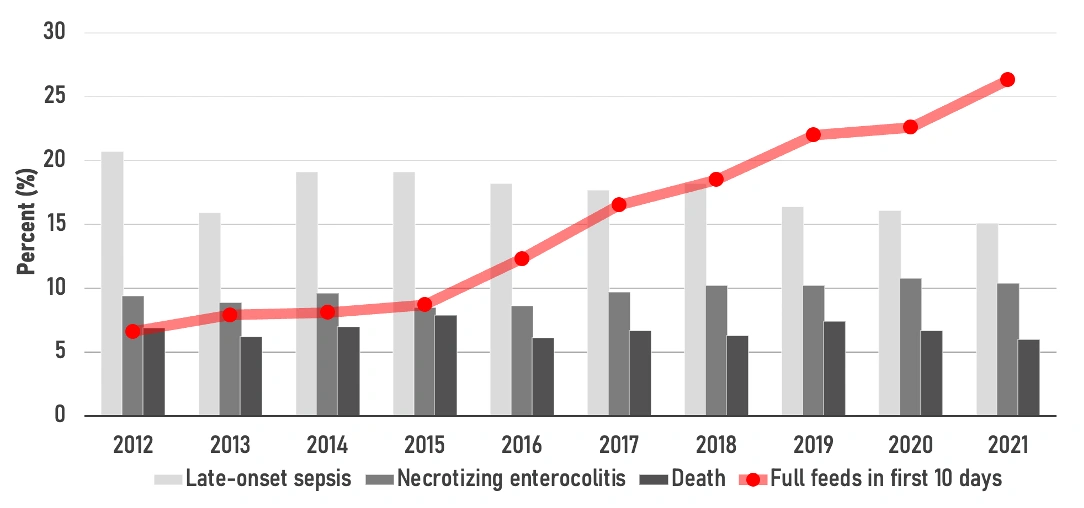
Infants born extremely preterm (between 23 and 28 weeks of gestation) face a complex journey in the neonatal intensive care unit (NICU), especially during the first two weeks of life when critical illness is often most severe.
Continue reading: Early Enteral Nutrition is Linked to Sepsis PreventionDoes More Early Human Milk Change the Preterm Gut Microbiome?
For very preterm infants, early nutrition is more than calories—it may help shape lifelong health. Human milk is known to protect against infections, improve growth, and shorten hospital stays.
Continue reading: Does More Early Human Milk Change the Preterm Gut Microbiome?How Placental Inflammation Shapes Infant Body Fat Accumulation?
Histologic chorioamnionitis (HCA), an inflammation of the membranes surrounding the fetus, is a well-known risk factor for preterm birth and adverse neonatal outcomes.
Continue reading: How Placental Inflammation Shapes Infant Body Fat Accumulation?Finding Balance: Rethinking Growth Goals for Preterm Infants
For decades, doctors caring for very preterm babies have wrestled with a tough question: What does “good growth” really look like outside the womb?
Continue reading: Finding Balance: Rethinking Growth Goals for Preterm InfantsExtra Protein for Preemies Boosts NICU Growth, but Does it Last?
When it comes to extremely preterm (EPT) infants born between 25 and 28 weeks of gestation, nutrition is more than a growth issue; it’s a survival strategy.
Continue reading: Extra Protein for Preemies Boosts NICU Growth, but Does it Last?New RCT Analysis Links Early Fortification to Less Severe BPD
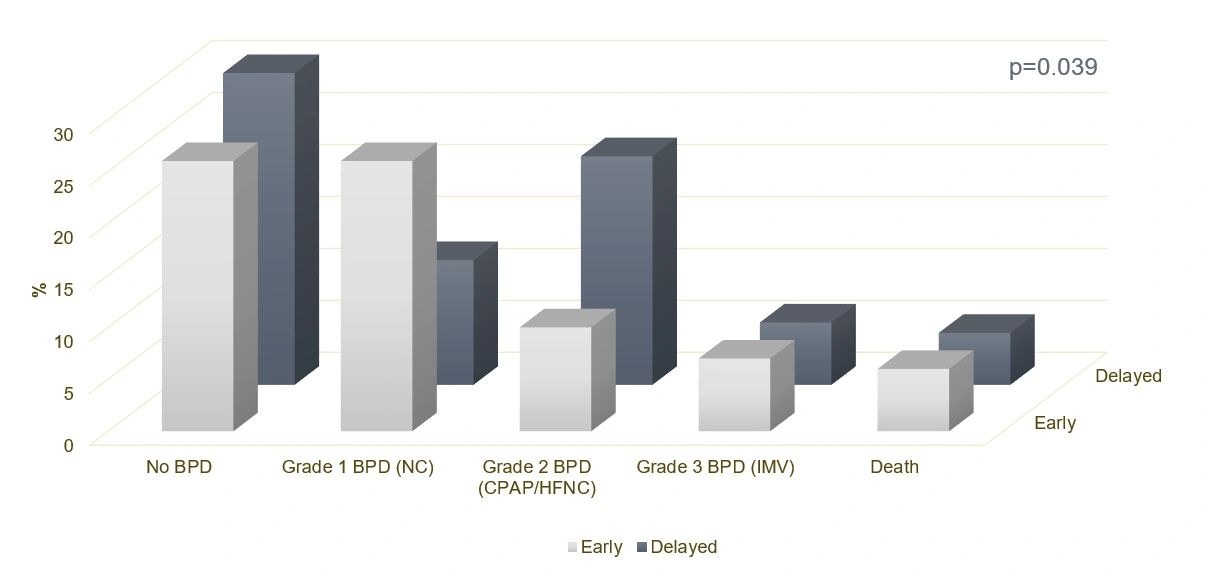
In the world of neonatal intensive care, every milliliter of milk and every calorie counts—especially for extremely preterm (EPT) infants born before 28 weeks of gestation.
Continue reading: New RCT Analysis Links Early Fortification to Less Severe BPDCan Early Vitamin D Supplementation Help Preemies Breathe Easier?
For babies born extremely early—before 28 weeks of pregnancy—every drop of nutrition counts. Their underdeveloped lungs, fragile bones, and increased risk for complications make early life a high-stakes balancing act in neonatal…
Continue reading: Can Early Vitamin D Supplementation Help Preemies Breathe Easier?Can Fortifying Breast Milk Early Help Preterm Babies Grow Better?
When babies are born too early, giving them the right nutrition is critical — but experts still debate the best time to add extra nutrients (called "fortification") to breast milk.
Continue reading: Can Fortifying Breast Milk Early Help Preterm Babies Grow Better?The Role of Early Enteral Protein Intake in Lean Mass Accretion
The first two weeks after birth are a critical period for preterm infants, marked by rapid changes and nutritional challenges.
Continue reading: The Role of Early Enteral Protein Intake in Lean Mass AccretionThe importance of monitoring length and head growth
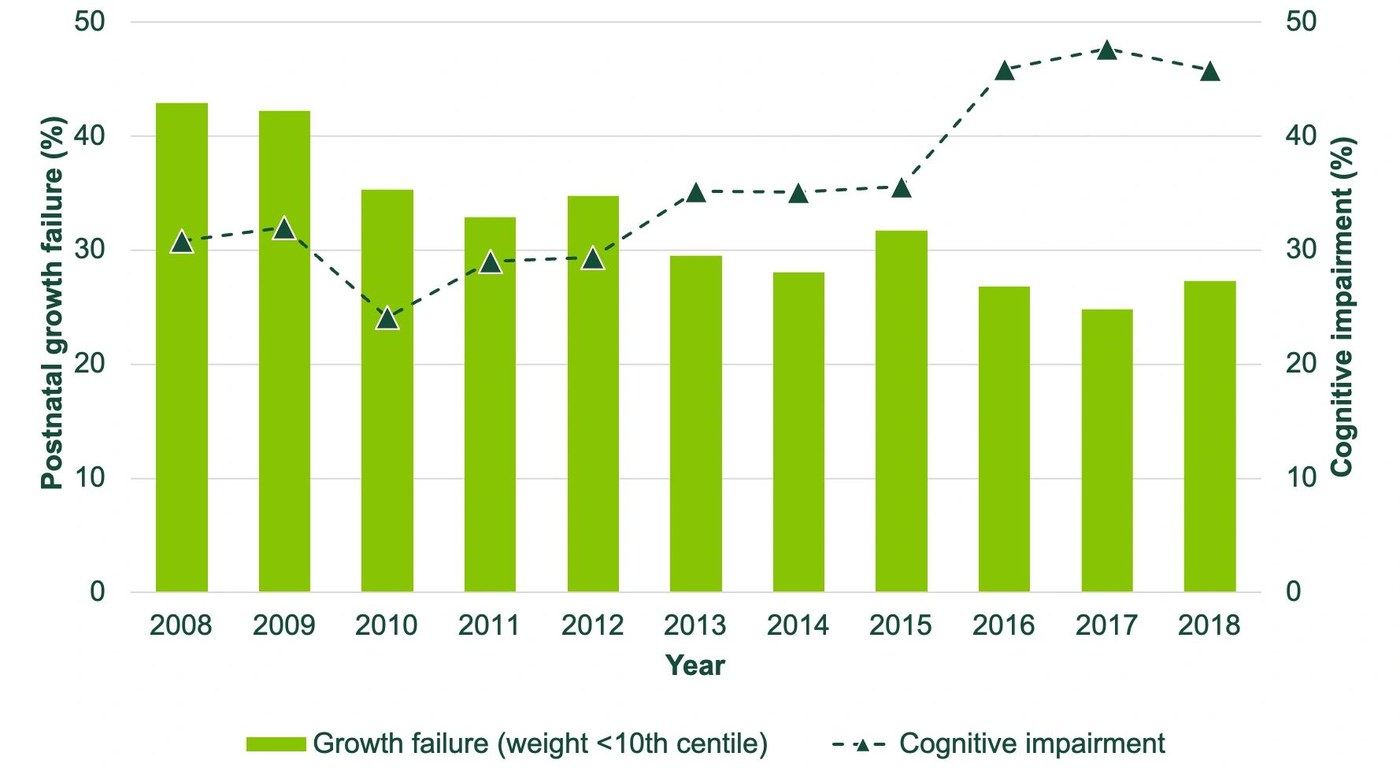
A new study proposes a game-changing approach to improving cognitive outcomes in extremely preterm infants.
Continue reading: The importance of monitoring length and head growthUnraveling the Mystery: Do RBC Transfusions Trigger NEC in ELBWI?
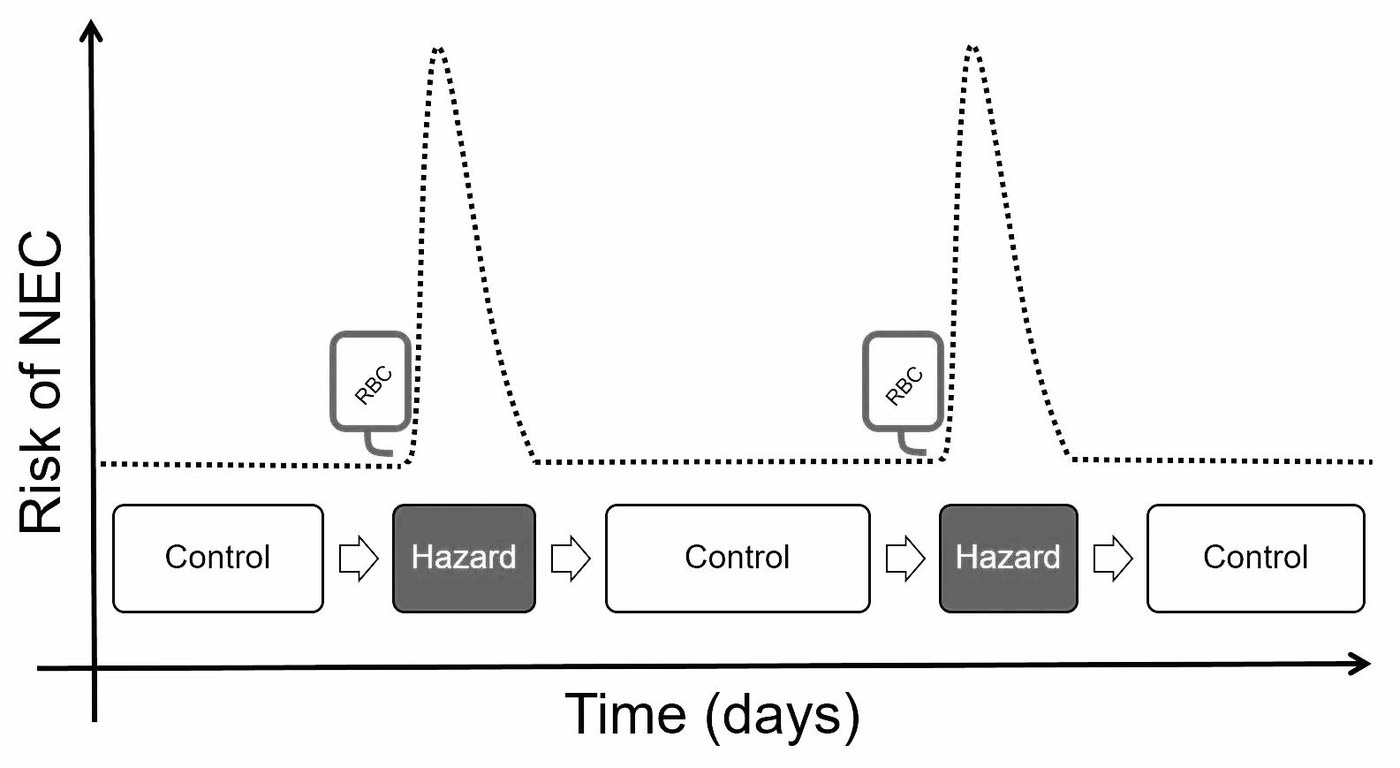
In the intricate world of neonatal care, one of the most dreaded complications is necrotizing enterocolitis (NEC).
Continue reading: Unraveling the Mystery: Do RBC Transfusions Trigger NEC in ELBWI?Our Journey Investigating Early & Exclusive Enteral Nutrition
In our exploration of feeding protocols for preterm infants, we've noticed a stark difference between high-income countries (HICs) and their low- and middle-income counterparts (LMICs).
Continue reading: Our Journey Investigating Early & Exclusive Enteral NutritionNew Clinical Trial of Early Human Milk Fortification
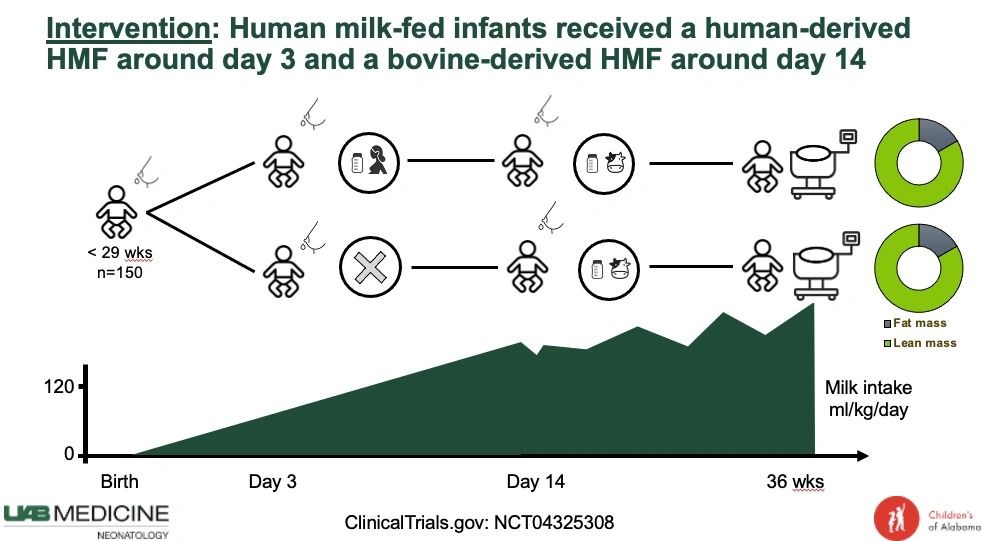
In the pursuit of addressing cumulative protein and energy deficits seen in extremely preterm infants when unfortified human milk is provided during the initial two postnatal weeks, the exploration of fortified human milk as an…
Continue reading: New Clinical Trial of Early Human Milk Fortification2023 PAS Presentations
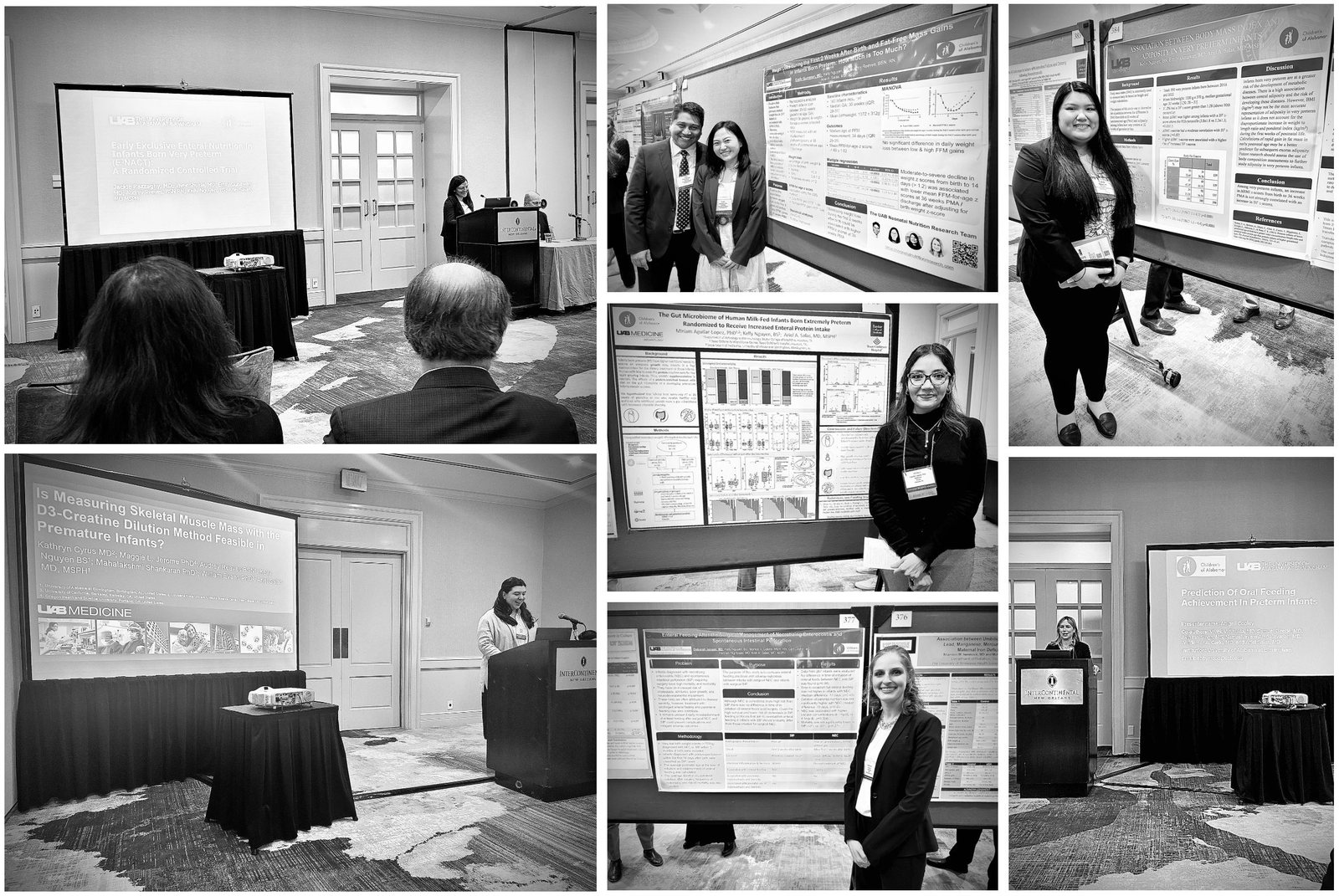
The neonatal nutrition research group at UAB is excited to announce its upcoming research presentations at the 2023 Pediatric Academic Societies Meeting, which will take place from April 28 to May 1, 2023.
Continue reading: 2023 PAS PresentationsEnriching experiences at the 2023 SSPR meeting
Our neonatal nutrition research team broadened their knowledge, expanded their network, and engaged with others in their field at the Southern Society for Pediatric Research Meeting this year.
Continue reading: Enriching experiences at the 2023 SSPR meetingSecondary analysis reveals additional benefits of early feeding
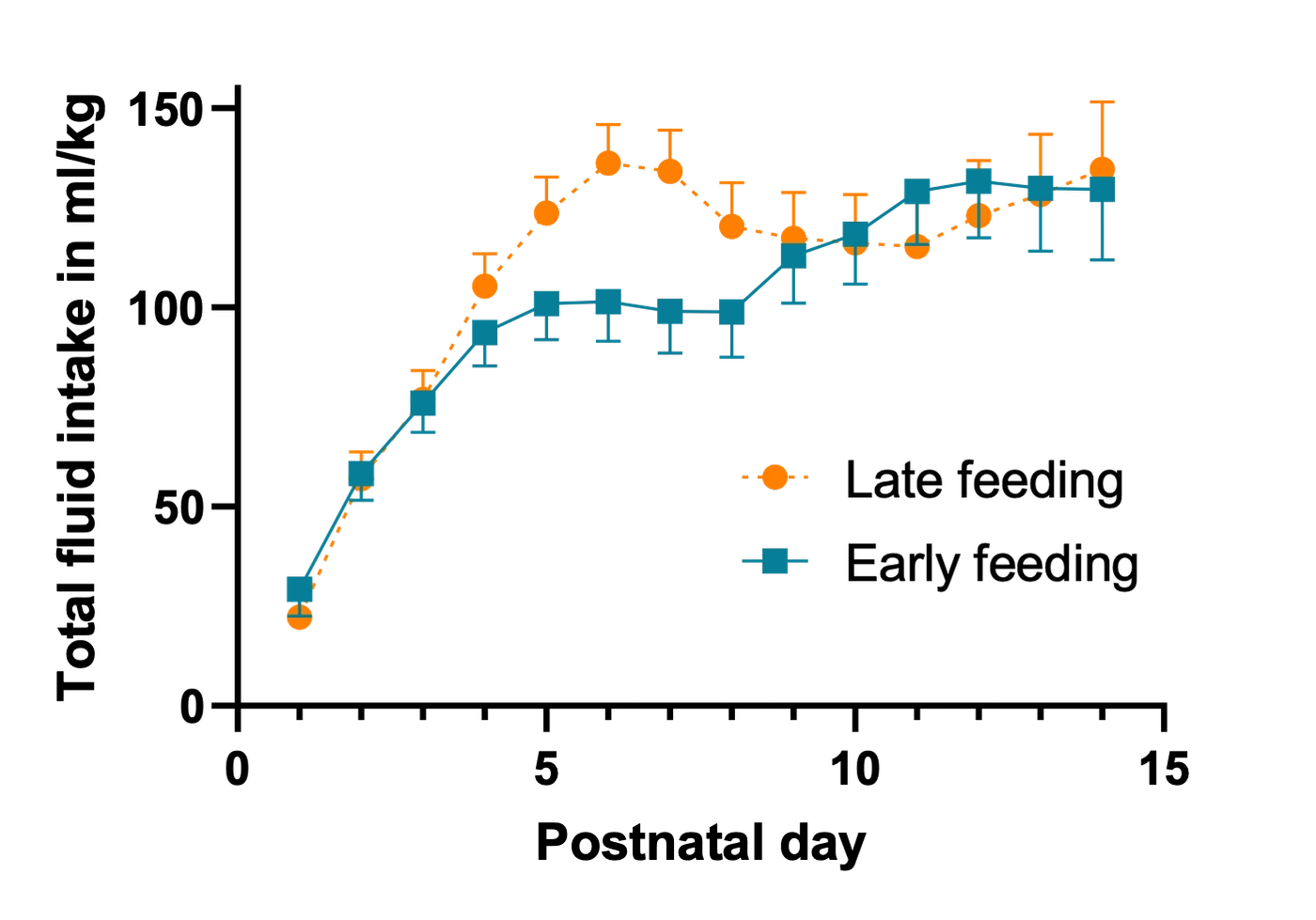
In a brief report of randomized data published in Neonatology, our research group determined that total fluid administration in ml/kg/day was lower during the first week after birth in extremely preterm infants (28 weeks of…
Continue reading: Secondary analysis reveals additional benefits of early feedingUAB completes patient enrollment for ENACT
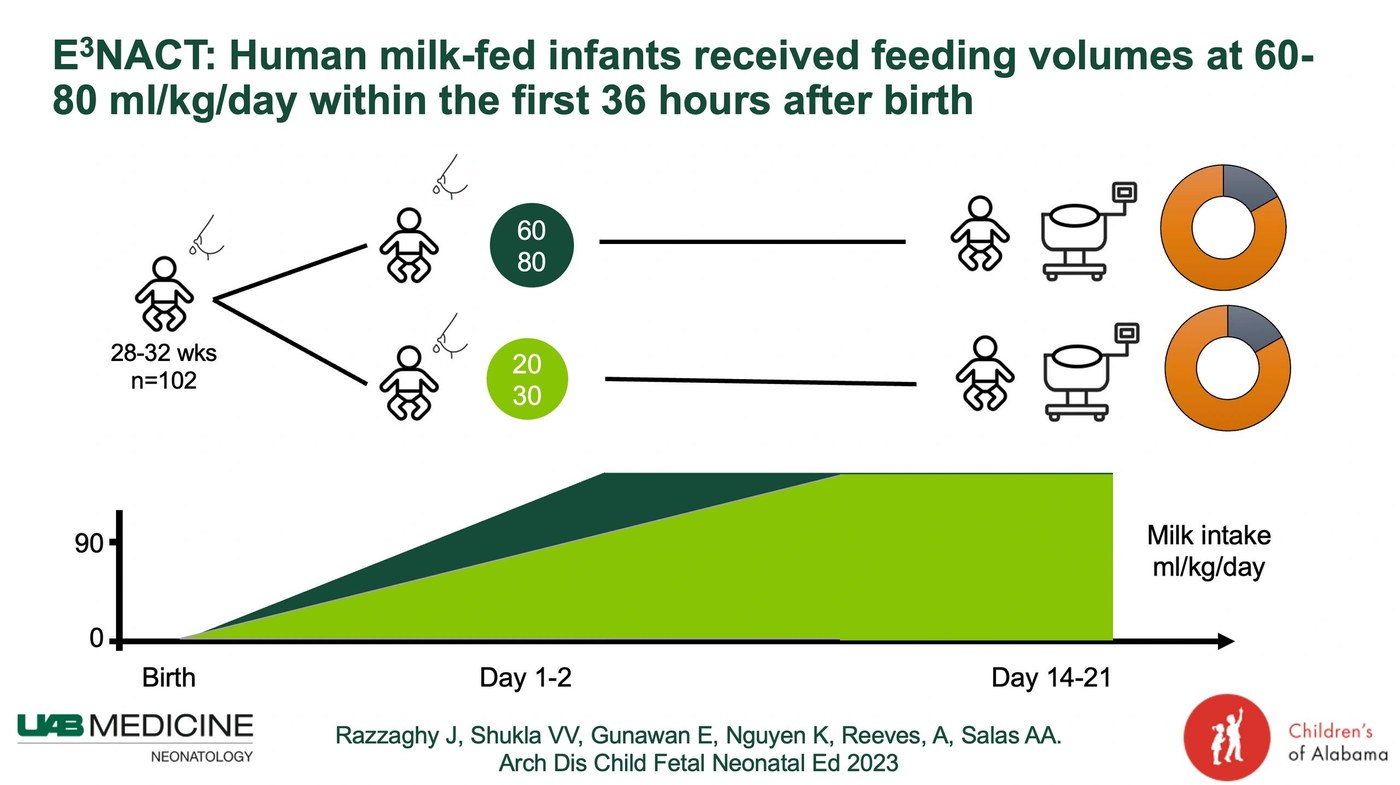
A total of 102 premature infants born between 28 and 32 weeks of gestation were randomized to receive either higher volume enteral feeds (60-80 ml/ kg/day) or typical enteral nutrition (20-30 ml/kg/day) within the first 36 hours…
Continue reading: UAB completes patient enrollment for ENACT